With geese starting to return to the community, York Region municipalities including Richmond Hill, may see wild birds that have died or are infected with avian influenza (H5N1), also known as bird flu.
Report sick or dead birds
If you come across sick or dead geese, ducks or other wild birds in Richmond Hill, do not touch them. Report them to Vaughan Animal Services (VAS) at 905-832-2281, 1-855-227-7297 or animal.services@vaughan.ca and staff will respond.
Residents are also reminded to:
- Keep a safe distance from wild animals and do not touch or feed them
- Keep cats indoors and dogs on a leash to limit the potential of your pet encountering an infected bird
- Consider removing backyard bird feeders and/or bird baths to limit virus transmission. If this is not possible, clean them with 10% bleach at least once every two weeks. They should be placed away from where domestic animals spend time
- Wash hands thoroughly with soap and water after touching any bird feeders, bird baths or any potentially contaminated areas
- Stay off all bodies of water as ice and water conditions are not safe; do not attempt to rescue birds in distress
About Avian Influenza
Avian influenza (bird flu, avian flu) is a disease caused by the Type A (H5N1) influenza virus that can affect all bird species including chickens, turkeys, pheasants, quail, domestic ducks, geese and guinea fowl.
Bird flu is spread through direct contact from an infected bird to a healthy bird. Bird flu is also spread when a healthy bird comes in contact with equipment and/or materials (including water and feed) that have been contaminated with feces and/or secretions from infected birds.
The risk of transmission of avian flu from birds to residents is low and, at present, there are no indicators of increasing risk to the general public.
Avian influenza is different from seasonal influenza (flu) viruses and does not spread widely from human-to-human. There have been no human cases of avian influenza in York Region.
Rarely, humans can get avian flu and this has typically been through direct exposure to infected poultry or contaminated environments, such as farms, live poultry markets and slaughterhouses. It is recommended that people working with poultry wear proper protective gear, including face mask, goggles, gloves and boots.
According to the Public Health Agency of Canada, wild birds in Canada and throughout the world are natural carriers of avian influenza viruses. Although some wild birds may get sick and die, others can be infected and still appear healthy.
For more information, visit the following websites:
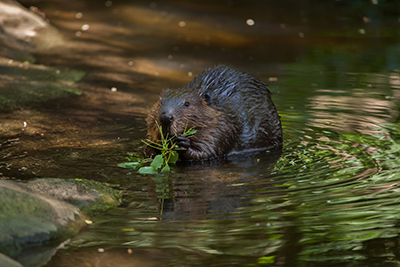 Beavers are most active in the spring and fall. When beavers build a dam in an urban area, waterways become blocked which can cause flooding of properties and roads. The Richmond Hill Beaver Management Policy outlines how we respond to the presence of beavers on municipal land so that property damage and health and safety risks are minimized. This Policy follows the Ontario Fish and Wildlife Conservation Act, recommendations of the Ontario Ministry of Northern Development, Mines, Natural Resources and Forestry and policies of the Toronto and Region Conservation Authority.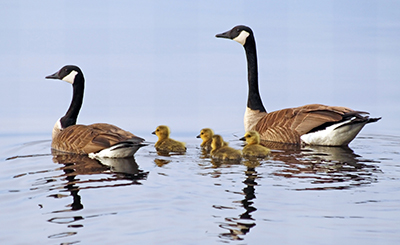
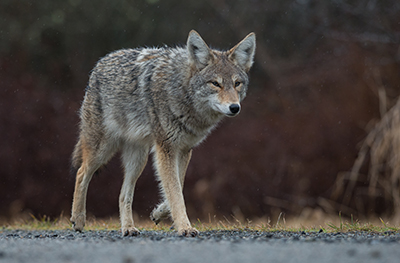 Coyotes feed mainly on small animals such as mice and rabbits. Coyotes are generally shy, cautious and non-confrontational unless they are sick or have been fed by humans. They are active year-round but are most often encountered at dawn or dusk especially from January to March. To avoid conflicts with coyotes, do not leave food on your property, keep dogs leashed, keep cats indoors, supervise children and pets outside (i.e. small dogs), and do not approach coyotes.
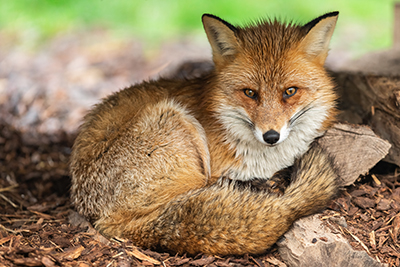 Foxes mainly feed on insects, fruits and small mammals including mice, and squirrels. In early spring, foxes will find a den to raise their young – this may be an abandoned burrow from another animal or a excavated a den underneath a man-made structure such as a shed. Foxes are shy, intelligent animals that will not approach humans unless they are sick. They are primarily nocturnal, but most active at dusk and dawn.
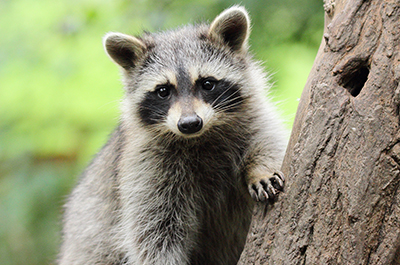 Raccoons are very common in urban areas and have adapted well to living alongside humans. They eat plants and small animals, but will eat almost any food available to them. Raccoons prefer heavily wooded areas, but are often found in urban areas. Reproduction begins in late winter and they usually give birth from March to May.
 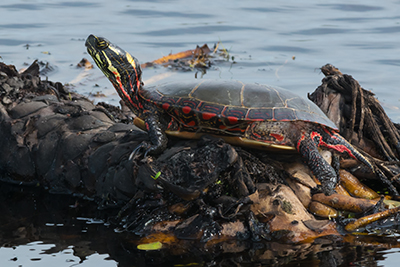 Ontario is home to eight species of turtles that are all considered Species at Risk. Turtles have a long life span and delayed sexual maturity. As a result, they are highly sensitive to human-induced threats such as habitat loss and road mortality. Turtles hibernate during the winter and become active in the spring. Nesting occurs in late spring and summer and females are often seen crossing roads during this time to find a suitable nesting site. Always be sure of your own safety if you decide stop